
DevNet 2026 Conference
Day(s)
:
Hour(s)
:
Minute(s)
:
Second(s)
About The Event
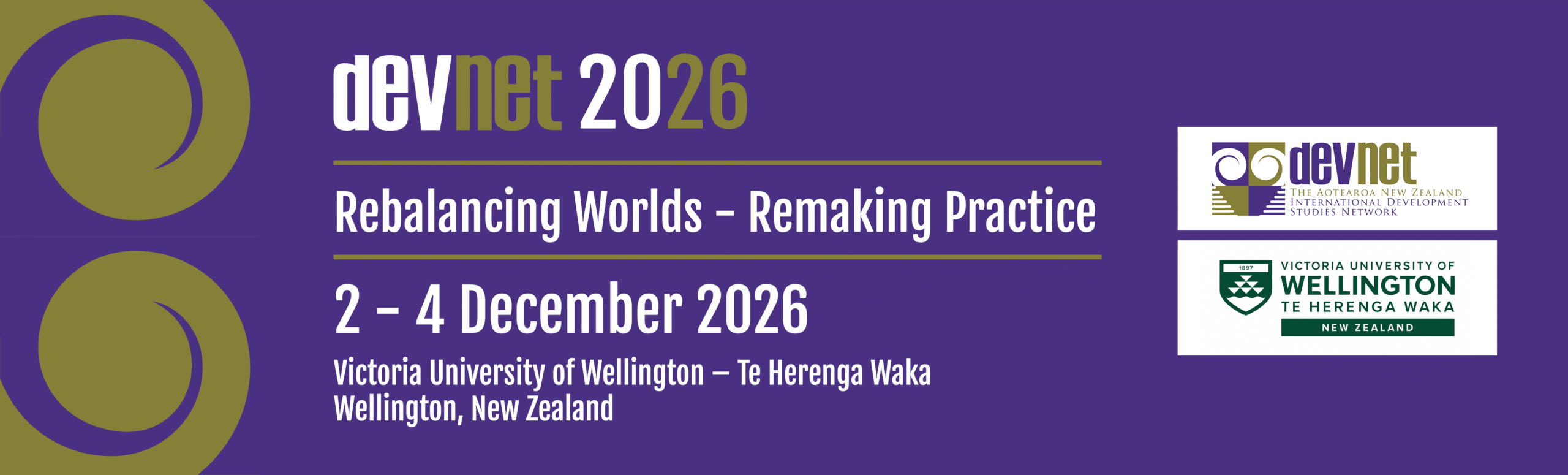
On behalf of the DEVNET National Forum and the Conference Planning Committee, we warmly welcome you to Wellington for the 2026 DEVNET Conference. This year’s theme, Rebalancing Worlds – Reworking Practice, invites us to reflect critically on development practice and explore pathways to more just and equitable futures. The conference is hosted by the Development Studies Programme within the School of Geography, Environment and Earth Sciences at Te Herenga Waka – Victoria University of Wellington.
Cluster 1 – Geopolitical shifts: Regional and global dynamics of aid funding
Aid development has long been a cornerstone of the post-war world order, but contemporary geopolitical shifts are reshaping regional and global aid architectures amid heightened uncertainty. Against a backdrop of dwindling aid budgets, development actors are being compelled to rethink their priorities, partnerships, and modes of engagement. This thematic cluster foregrounds questions of solidarity amidst declining resources, examining how states, multilateral institutions, civil society, and communities negotiate responsibility, care, and justice in uneven development landscapes.
Contributors are invited to reflect theoretically and practically on the pursuit of ‘development’ in a volatile world, where geopolitical tensions, environmental crises, and humanitarian needs increasingly overlap.
Cluster 2 – Mauri ora: Health and wellbeing of people, land and ocean
This thematic cluster brings together scholarship and practice which foregrounds Mauri ora (the flourishing of life) by recognising the deep interdependence of people and environment. It aims to explore how human health and wellbeing are inseparable from the vitality of land, waters, and oceans, particularly in contexts shaped by colonial legacies, capitalist logics, climate change, environmental degradation and forced migration.
The cluster invites contributions that move beyond siloed practices in health, development, migration, and environmental governance, instead advancing integrated and relational approaches. Emphasis is placed on place-based approaches that centre local knowledge, Indigenous worldviews, and community-led responses to wellbeing challenges. Papers engaging with new wellbeing indicators beyond economic growth metrics are especially welcome, including those that capture ecological health, cultural continuity, and collective care. Overall, the cluster provides a space to reimagine development pathways that are holistic, restorative, and grounded in reciprocal relationships between people, land, and ocean.
Cluster 3 – Decolonising development: Rethinking development theory, policy and practice
This thematic cluster centres ‘decolonising development’ as an ongoing, contested, and necessary project. It aims to foreground Indigenous knowledge systems and, in the context of Aotearoa New Zealand, Te Tiriti o Waitangi, as critical foundations for rethinking development theory, policy, and practice. The cluster will engage with diverse ways of knowing, being, and doing, while critically examining the persistent resistance to decolonisation, the urgent need to revitalise it, and commitments within institutions, funding regimes, and knowledge production.
Contributions that reflect on the ethical, political, and practical challenges that development practitioners and academics face in attempts to ‘decolonise’ development, including tensions around power, positionality, accountability, and institutional constraint, are invited. Papers that move beyond symbolic inclusion to explore transformative practices, relational approaches, and Indigenous-led frameworks that challenge dominant development paradigms and open up more just, plural, and grounded futures are very welcome.
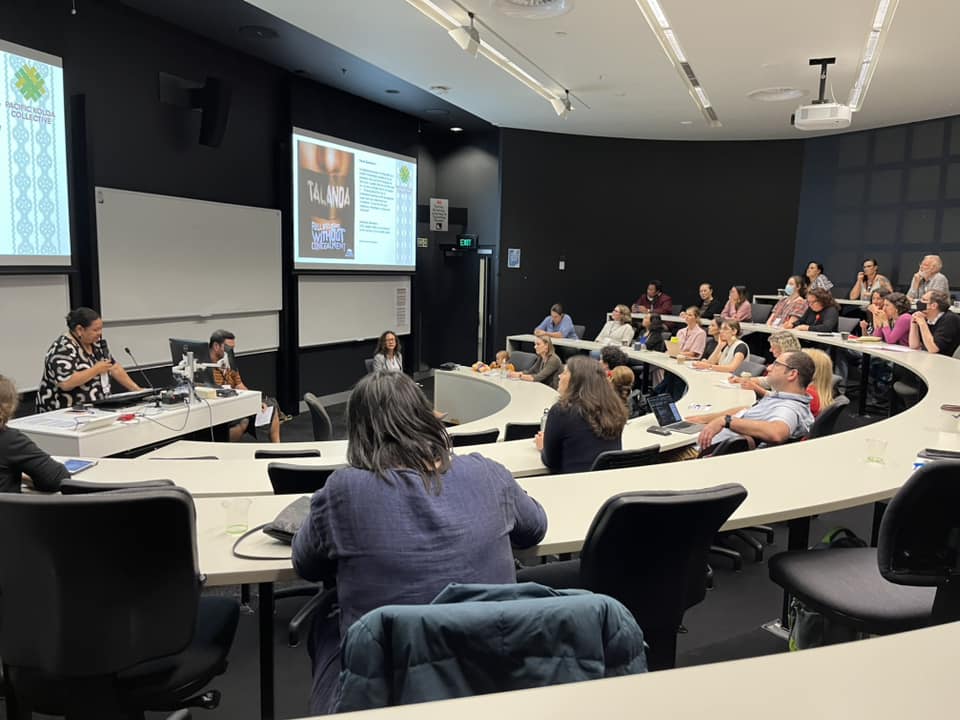
Talanoa Sessions – Sharing, connecting, storying
These sessions provide an open, relational space for sharing, connecting, and storying beyond formal academic presentations. Grounded in dialogue and collective reflection, the sessions encourage participants to exchange experiences, insights, and questions that resonate with efforts to rebalance our worlds and remake our practices as actors in the development space. Emphasis is placed on respectful listening, reciprocity, and relationship-building, allowing ideas to unfold organically while remaining connected to key debates, practices, and futures in development.
Keynote Speakers
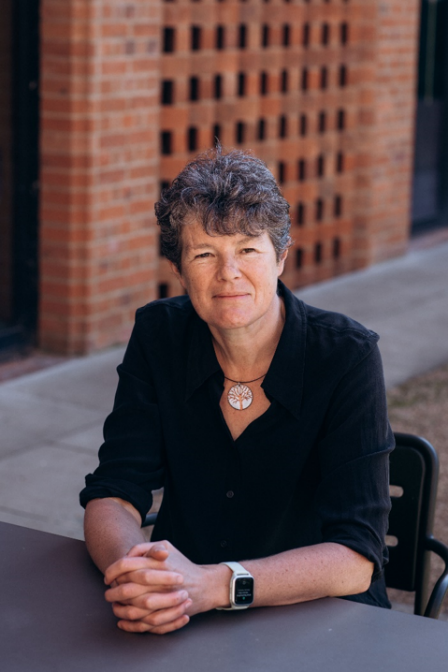
Prof. Emma Mawdsley
University of Cambridge
Learn more >
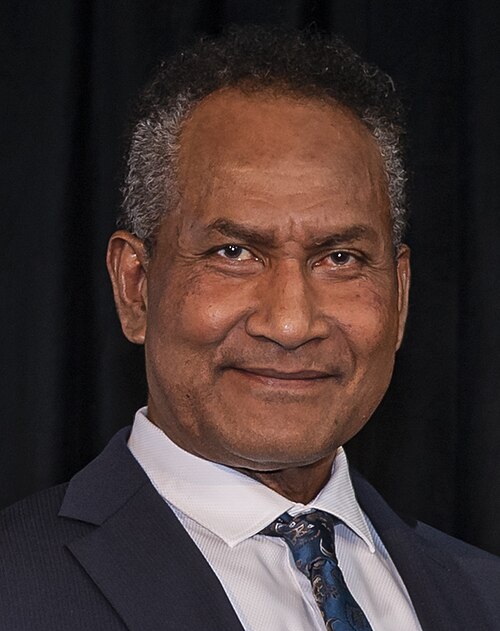
Prof. Steven Ratuva
University of Canterbury
Learn more >
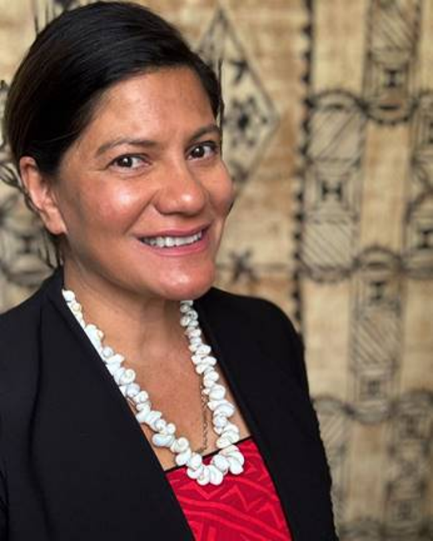
Dr. Emma Dunlop-Bennett
Te Herenga Waka
Learn more >
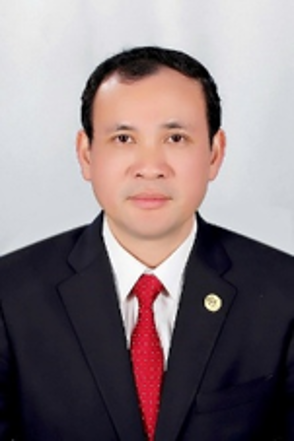
Prof. Nguyen Trung Viet
Thuyloi University
Learn more >
Programme
The event will take place from December 2nd to 4th, 2026. Detailed programme will be announced soon.
Key dates
Early-July: Call for abstracts. Submissions close on Friday, 18 September 2026. See DevNet 2026 Conference Sessions Here
Mid-August: Early bird registration opens
End of August: Call for abstracts closes
September: Notification of successful abstracts sent to authors
Early-October: Early bird registration closes
3 November 2026: Final registration deadline
Get Your Ticket
If you wish to register as a group, please email devnet2026@vuw.ac.nz to receive a specific registration link
If you are a resident of a Pacific Island Country, please email devnet2026@vuw.ac.nz to receive a specific registration link.
Early birds tickets until early October 2026
| Early Bird | Cost |
| In-person, Standard Registration | $500 |
| In-person, *Concessionary Registration | $250 |
| In-person, Group Registration (4 and above) | $400 each |
| Virtual, Standard Registration | $300 |
| Virtual, *Concessionary Registration | $200 |
| Standard Registration | Cost |
| Standard Registration | $650 |
| *Concessionary Registration | $350 |
| Group Registration (4 and above) | $500 each |
| Virtual, Standard Registration | $350 |
| Virtual, *Concessionary Registration | $250 |
| One-day Registration | Cost |
| In-person, Standard Day Registration | $250 |
| Virtual, One Day | $150 |
*Concessionary includes students, unwaged and/or precarious workers, and the retired.
Conference Grants
DevNet is offering limited Conference Grants to support New Zealand-based students in attending the DevNet 2026 Conference. Detailed information about the grant will be announced soon.
Note: Only apply for the Conference Grants if your paper has been accepted for presentation at the conference.
Resources for participants
Participants of DevNet 2026 in Wellington will have the opportunity to complement their conference activities with some of the many experiences the city offers. Below are a few useful resources to have a rewarding experience in our city:
Top 10 Wellington must-dos – to make the best of your time in our compact, walkable city.
What to do on a rainy day in Wellington – rain and wind are part of our city, don’t let that stop you from having a great experience here.
New and notable places in Wellington – outstanding cafés, restaurants, and bars in Wellington.
Wellington’s independent bookstores – independent bookstores all over our city!
A quick tour of Wellington – ideas about what to do in 24 hours in Wellington.
Best things to do for free in Wellington – plenty of awesome experiences free of charge!
Undertheradar and the image gig guide – for a taste of the capital’s diverse entertainment events.
For participants visiting us from overseas, please email devnet2026@vuw.ac.nz for information about potential discounts on flights.
Contact Information
Conference Chair: Valentine Ibeka, PhD. Lecturer | School of Geography, Environment and Earth Sciences
devnet2026@vuw.ac.nz